Aquaculture
Aquaculture
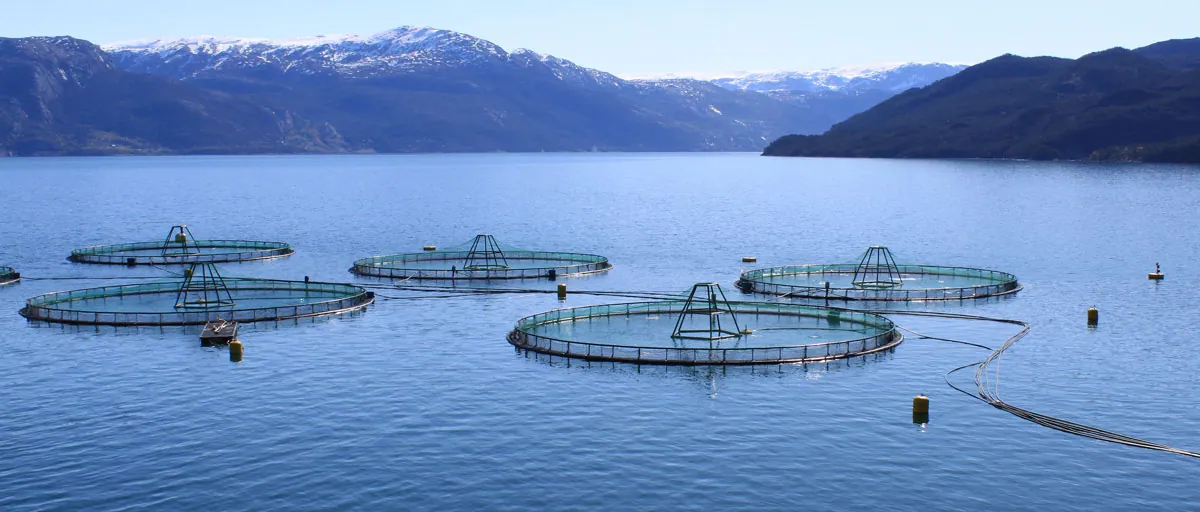
Aquaculture refers to the farming of aquatic organisms, which includes fish, mollusks, crustaceans, and aquatic plants. It involves the propagation and husbandry of these organisms for various purposes, including commercial, recreational, and scientific uses.
Aquaculture offers several significant benefits, including:
- Food Security: Aquaculture contributes to the global supply of seafood, helping to meet the growing demand for protein-rich food.
- Economic Growth: It creates jobs and stimulates local economies, particularly in coastal and rural areas where traditional fishing may be declining.
- Sustainable Practices: When managed properly, aquaculture can reduce pressure on wild fish stocks, allowing ecosystems to recover.
- Resource Efficiency: Some aquaculture systems, such as integrated multi-trophic aquaculture, can utilize waste products from one species as nutrients for another, optimizing resource use.
- Nutritional Benefits: Fish raised in aquaculture often provide essential nutrients, including omega-3 fatty acids, which are vital for health.
- Research Opportunities: Aquaculture provides valuable opportunities for research in aquatic biology, genetics, and ecosystem management.